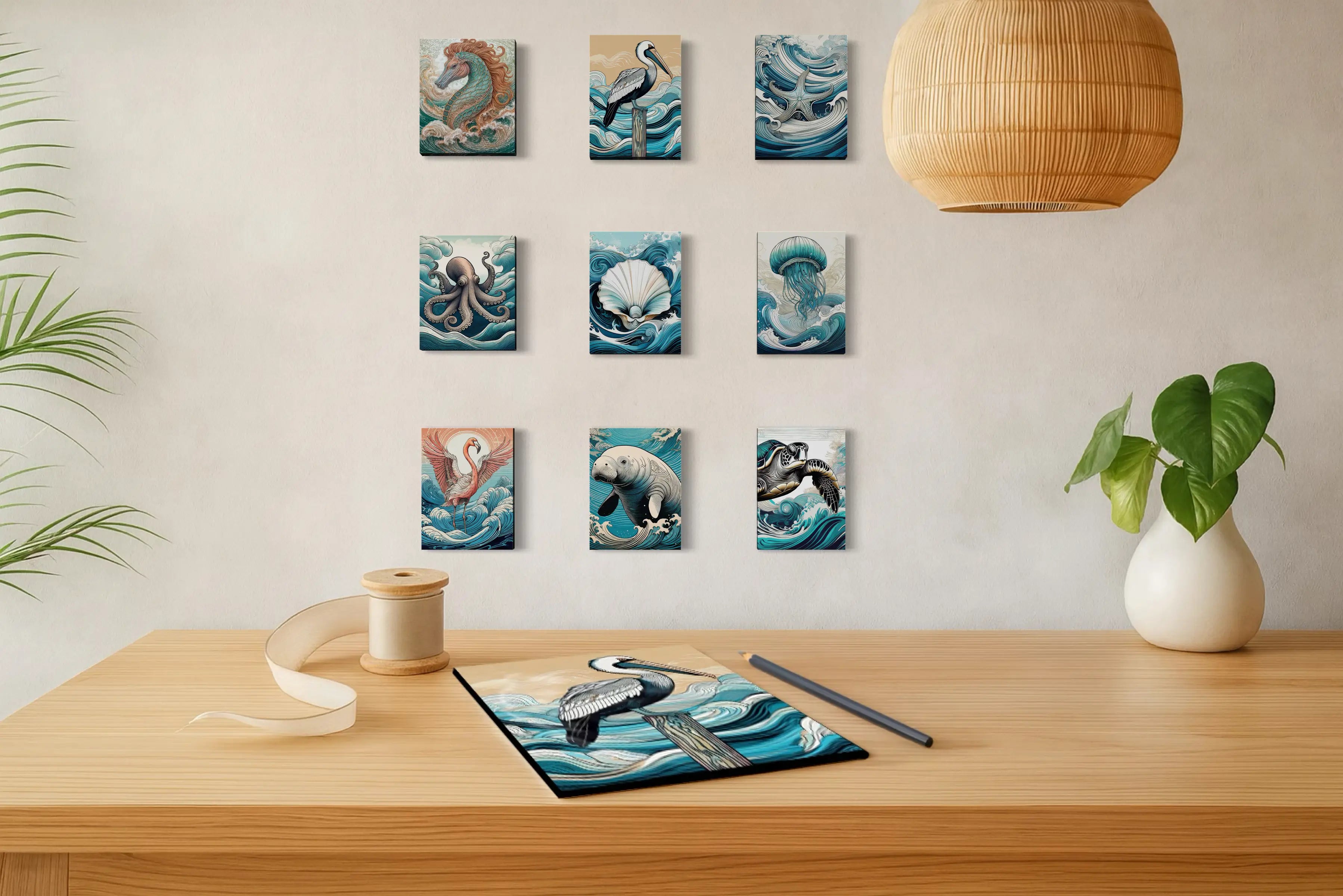
Coastal Feng Shui — Ocean Energy, Art Placement & Balanced Coastal Living
Coastal Feng Shui: Where Ocean Energy Meets Intentional Living
Coastal Feng Shui blends the ancient principles of energy flow with the calming rhythm of the sea. It’s the art of arranging your space so that light, movement, color, and intention work together — creating a home that feels balanced, grounded, and quietly alive.
Coastal Feng Shui adapts traditional Feng Shui principles to coastal environments by using ocean-inspired colors, natural textures, marine symbolism, and intentional art placement to guide the flow of energy through a home.
Rooted in traditional Feng Shui philosophy, this coastal interpretation draws inspiration from shoreline landscapes, tidal movement, and natural ocean elements. Where classic Feng Shui works with earth, fire, water, metal, and wood, Coastal Feng Shui expresses those elements through sea glass blues, sandy neutrals, flowing wave patterns, coastal wildlife, and luminous glass art.
At its heart, this practice is not about rigid rules. It’s about alignment.
When a room feels unsettled, stagnant, or heavy, it often reflects an imbalance in flow. When it feels calm, clear, and effortless — energy is moving well. Coastal Feng Shui simply uses the language of the sea to restore that balance.
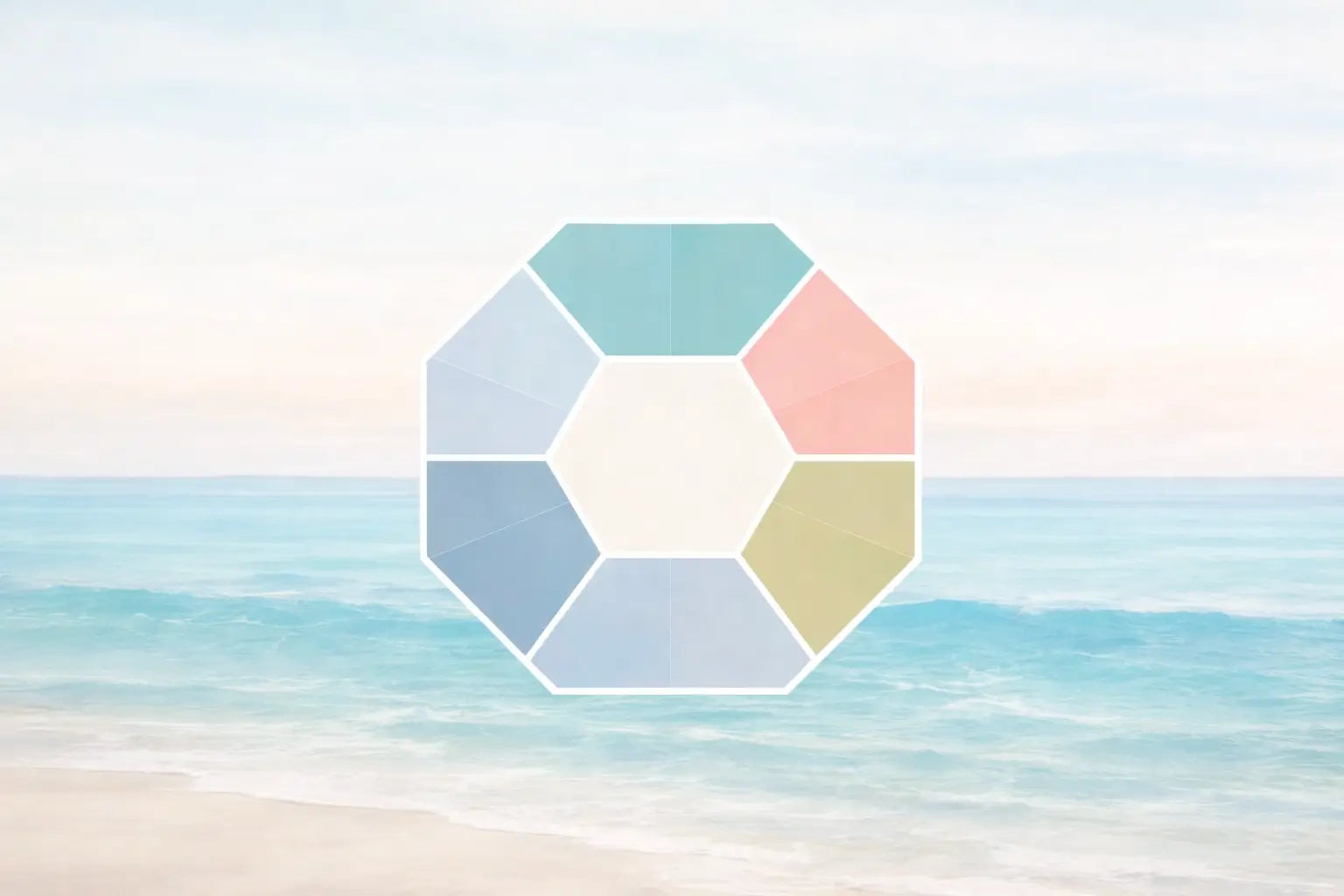
The Bagua map — represented above — provides a framework for understanding how different areas of your home correspond to life themes such as career, relationships, health, creativity, and personal growth. By pairing those zones with ocean-inspired art and intentional placement, your space becomes more than décor.
It becomes a sanctuary.
In this guide, we’ll explore:
- The Bagua and how it applies to coastal spaces
- The Five Elements through an ocean lens
- Room-by-room energy alignment
- The symbolism of coastal creatures
- How art placement shapes emotional flow
Whether you’re refining a single room or reimagining your entire home, Coastal Feng Shui offers a way to design with clarity, calm, and purpose — guided by the quiet intelligence of the sea.
The Bagua & The Rhythm of the Sea
The Bagua Map: A Framework for Flow
At the foundation of Feng Shui is the Bagua — an energy map used to understand how different areas of your home correspond to different areas of your life.
The Bagua divides a space into nine zones:
- Career & Life Path
- Knowledge & Self-Cultivation
- Family & Health
- Wealth & Abundance
- Love & Relationships
- Children & Creativity
- Helpful People & Travel
- Reputation & Recognition
- Center (Overall Balance)
Traditionally, the Bagua is placed over your home’s floor plan, aligned with the main entrance. Each section represents a life theme — and each theme responds to color, material, imagery, and intention.
In Coastal Feng Shui, we interpret this framework through the natural language of the sea.
Water imagery supports flow and career movement.
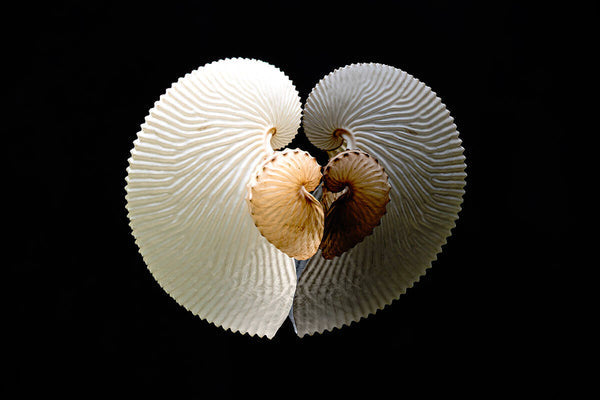
Shell spirals encourage growth and continuity.
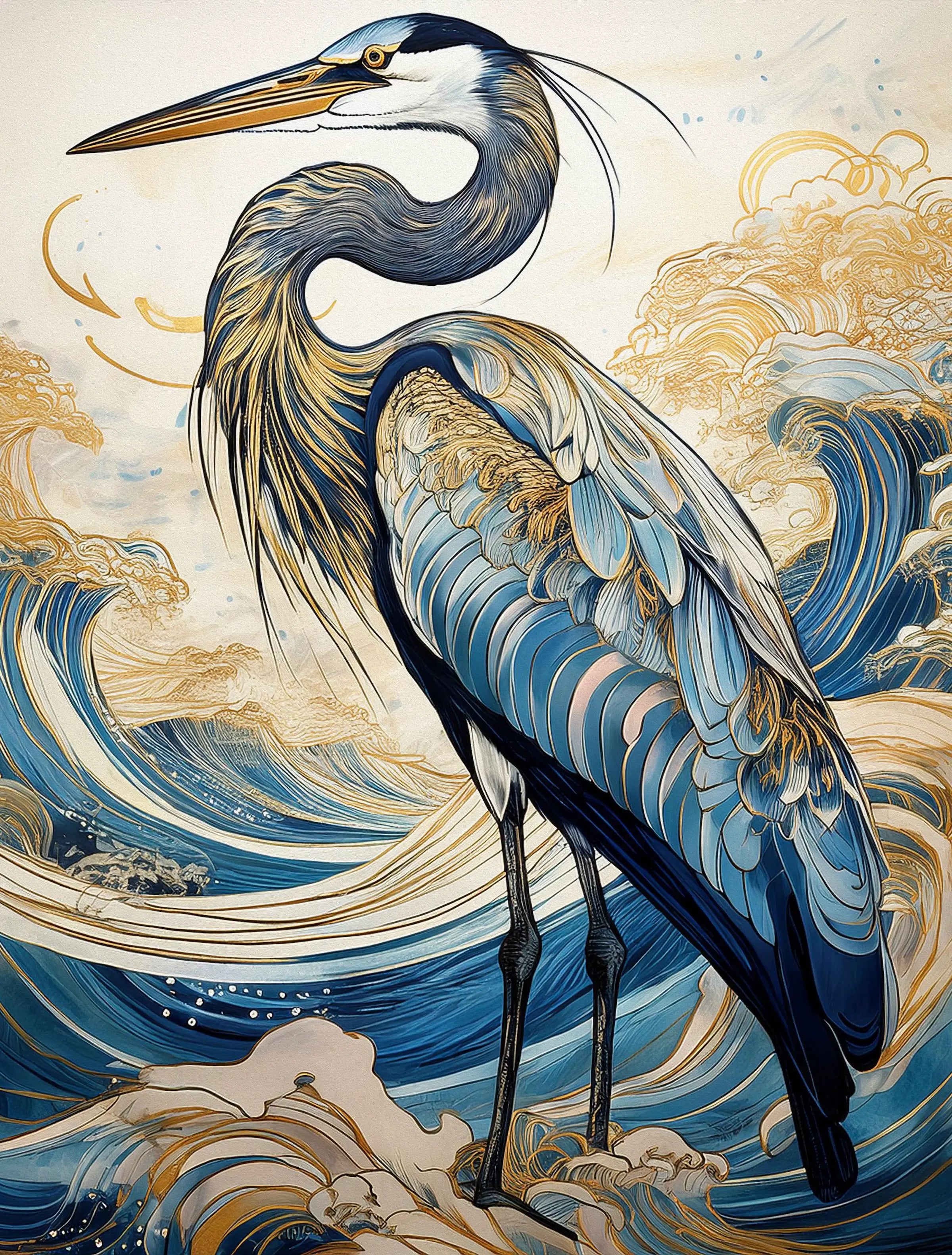
Birds represent perspective and clarity.
Coral structures symbolize stability and resilience.
By pairing coastal art with the appropriate Bagua zone, your home becomes a living reflection of your priorities.
If you'd like a deeper look at how to map the Bagua onto your home, explore our detailed guide to the Coastal Bagua Map here.
Once the Bagua map defines the energetic zones of your home, the Five Elements describe the qualities that bring those zones into balance. In Coastal Feng Shui, these elements appear through the textures, colors, and living forms of the shoreline — guiding how light, material, and imagery shape the feeling of a space.
The Five Elements — Through an Ocean Lens
Water — Flow & Life Direction
Water governs movement, career, intuition, and the unfolding path of life. It represents flow — not force, but momentum guided by rhythm.
In coastal spaces, water energy appears through wave imagery, reflective glass surfaces, deep blues, and spiral forms like the nautilus shell. These shapes echo the tide’s continuous motion and encourage a sense of progress without urgency.
When water energy is balanced, a room feels open, breathable, and aligned. There is movement, but no chaos — direction, but no pressure.
Wood — Growth & Vitality
Wood represents growth, renewal, and steady expansion. It is the energy of reaching upward and outward — of becoming.
Along the coast, this energy appears in sea grasses bending toward the wind, coral branching patiently beneath the surface, and birds poised along marsh edges. Vertical lines, organic textures, and imagery that suggests life emerging from stillness all strengthen this element.
Balanced wood energy brings vitality without restlessness — a feeling of quiet progress rooted in stability.
Fire — Visibility & Expression
Fire governs visibility, recognition, passion, and emotional warmth. It is the energy of illumination.
In coastal design, fire does not blaze — it glows. It appears in sunrise reflections, warm coral tones, golden wave crests, and the soft blush of flamingo feathers against blue sky.
When fire energy is present in harmony, a space feels alive and confident. It invites expression without overwhelm, brightness without intensity.
Earth — Stability & Nourishment
Earth is grounding. It supports health, balance, and emotional security.
On the shoreline, earth energy is found in dunes shaped by wind, shells resting in sand, and the muted tones of driftwood and stone. These elements steady the home and create a sense of containment and calm.
Balanced earth energy makes a room feel held — settled and supportive rather than heavy or stagnant.
Metal — Clarity & Refinement
Metal governs clarity, focus, precision, and helpful connections. It refines energy and brings structure to movement.
In coastal interiors, metal energy shows up through simplicity: clean compositions, negative space, white shells against dark backgrounds, and luminous glass surfaces that reflect light with sharp definition.
When metal energy is aligned, a space feels intentional and composed — uncluttered but not empty.
When the Elements Work Together
No element stands alone.
Water softens Fire.
Earth stabilizes Water.
Wood feeds Fire.
Metal refines Wood.
Just as the ocean balances tide, current, wind, and shore, Coastal Feng Shui brings these elemental qualities into quiet alignment. When they are in harmony, a home does not simply look beautiful — it feels balanced.
Applying Coastal Feng Shui Room by Room
While the Bagua map determines which life themes are activated in different areas of your home, each room also carries its own natural function. Coastal Feng Shui works at the intersection of both.
A bedroom may govern rest — but if it falls in the Love & Relationships zone, its symbolism carries additional meaning.
A living room may host connection — but its Bagua placement determines which life area is strengthened through that connection.
Rather than rigid rules, think in layers:
Function + Placement = Energy.

The Living Room — Shared Energy & Activation
The living room is where energy gathers and circulates. It is often one of the most active areas of the home, influencing family harmony, visibility, or helpful connections depending on its Bagua placement.
Because this space carries collective energy, it benefits from a clear focal point. A single cohesive composition — whether one statement piece or a unified triptych — anchors the room more effectively than multiple unrelated artworks competing for attention.
If your living room falls within:
- Wealth & Abundance — flowing water imagery may support expansion
- Reputation — warm sunset tones or confident coastal wildlife can energize visibility
- Family & Health — grounding dunes, coral structures, or marsh scenes reinforce stability
The key is cohesion. Movement without chaos. Presence without clutter.
For a deeper look at scale and composition in gathering spaces, explore our Coastal Living Room Wall Art Guide.

The Bedroom — Rest, Intimacy & Subtle Symbolism
The bedroom supports restoration and emotional balance. Its energy should feel contained and steady — but its Bagua placement refines its symbolism.
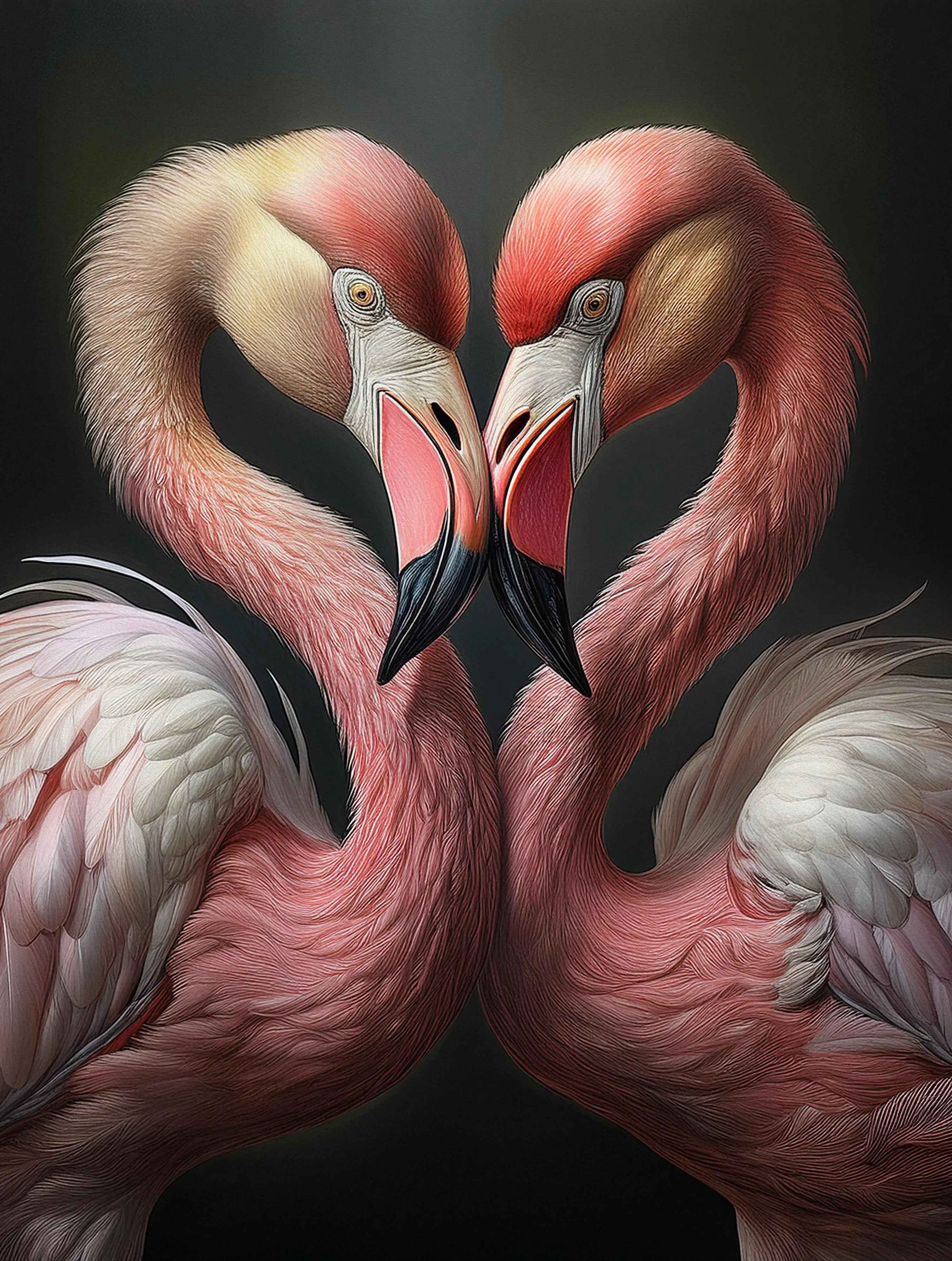
If the bedroom aligns with the Love & Relationships zone, paired imagery — such as flamingos or heart-shaped nautilus forms — can intentionally strengthen themes of partnership and connection.
If it falls within Knowledge or Health zones, softer grounding compositions may feel more supportive.
The goal is not to strip personality from the room, but to ensure that imagery aligns with both emotional tone and energetic theme.
Balanced bedrooms feel intentional, not overstimulating.
If you’re designing a restful retreat inspired by the sea, explore our Coastal Bedroom Wall Art Guide for deeper placement ideas and curated compositions.

The Home Office — Direction & Clarity
Workspaces naturally connect to Career & Life Path energy, but their exact influence depends on placement within the Bagua.
Imagery that suggests poised movement — such as a heron standing at the edge of tide or a spiral form guiding the eye forward — reinforces both focus and flow.
When aligned properly, the office should feel focused yet expansive — energized without agitation.

The Entryway — Where Energy Enters
The entryway is considered the “mouth of chi” — where energy flows into the home.
Because it sets the tone for everything beyond it, art placed here should feel welcoming and steady. Coastal birds — such as pelicans or herons — are especially powerful in entryways, symbolizing awareness and guidance as energy moves into the home.
Avoid visual overwhelm. The entry should invite energy inward, not scatter it.
For more coastal entryway ideas read Coastal Entryway Art: What Should Your Home Say First?
Ocean Creatures & Symbolic Energy
Coastal Feng Shui also works symbolically. Ocean creatures carry energetic qualities that subtly influence a space. In our Coastal Feng Shui Ocean Creatures Guide, we explore how wildlife symbolism shapes emotional flow throughout the home.
Herons embody patience and measured awareness — ideal for offices or meditation spaces.
Flamingos represent balance and confidence — often placed in areas connected to visibility or self-expression.
Manatees symbolize gentle strength and grounded presence — well suited for family spaces.
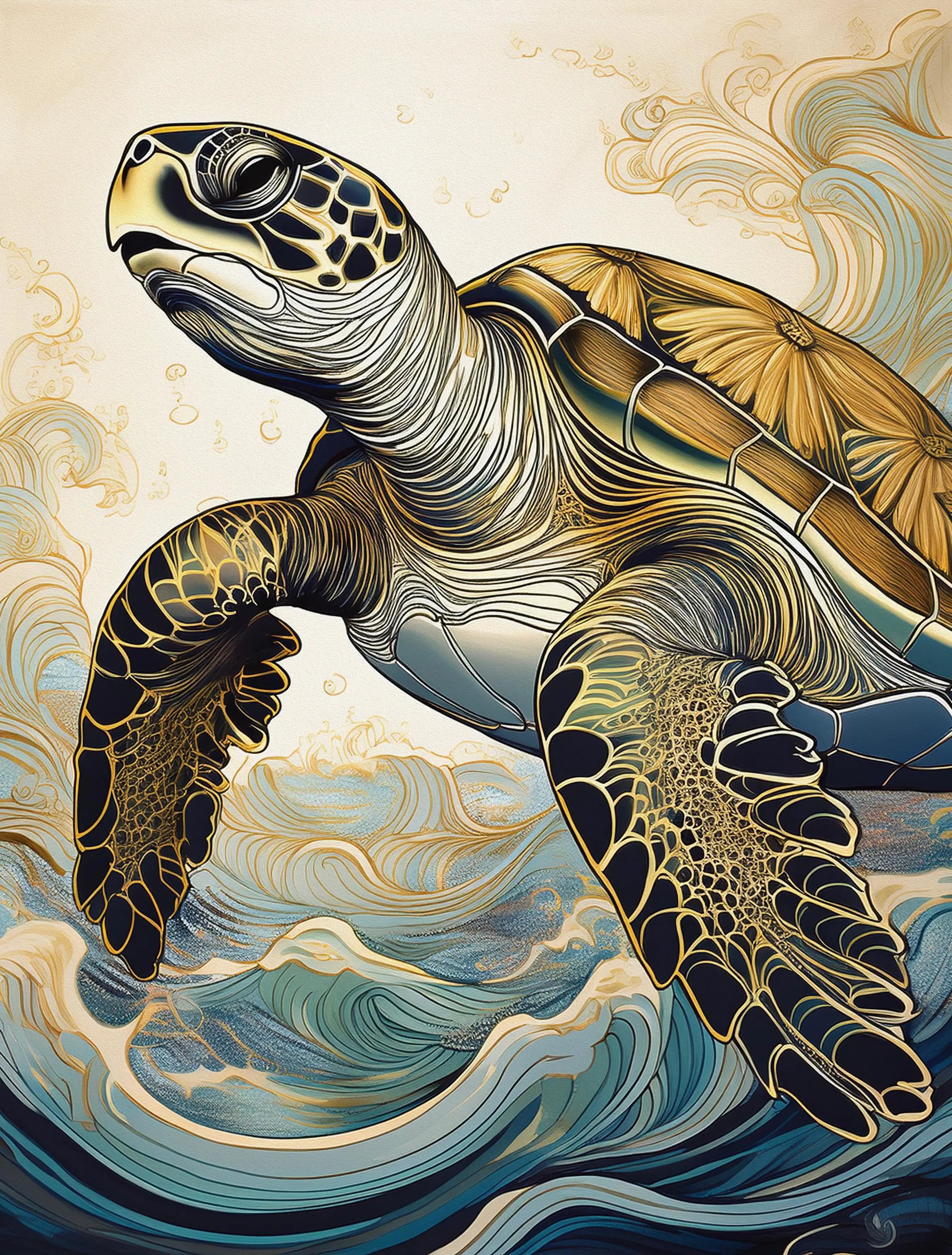
Sea turtles reflect endurance and long-term stability.
Starfish represent renewal and guidance.
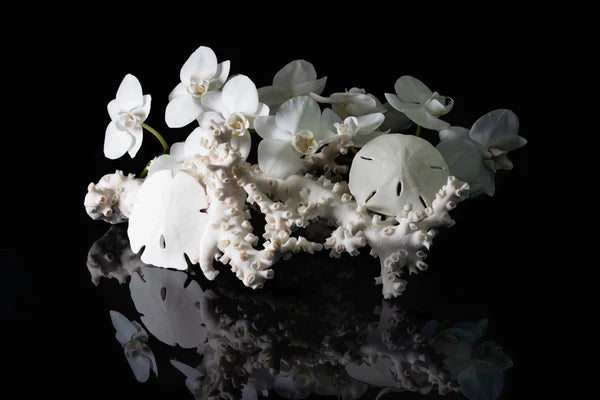
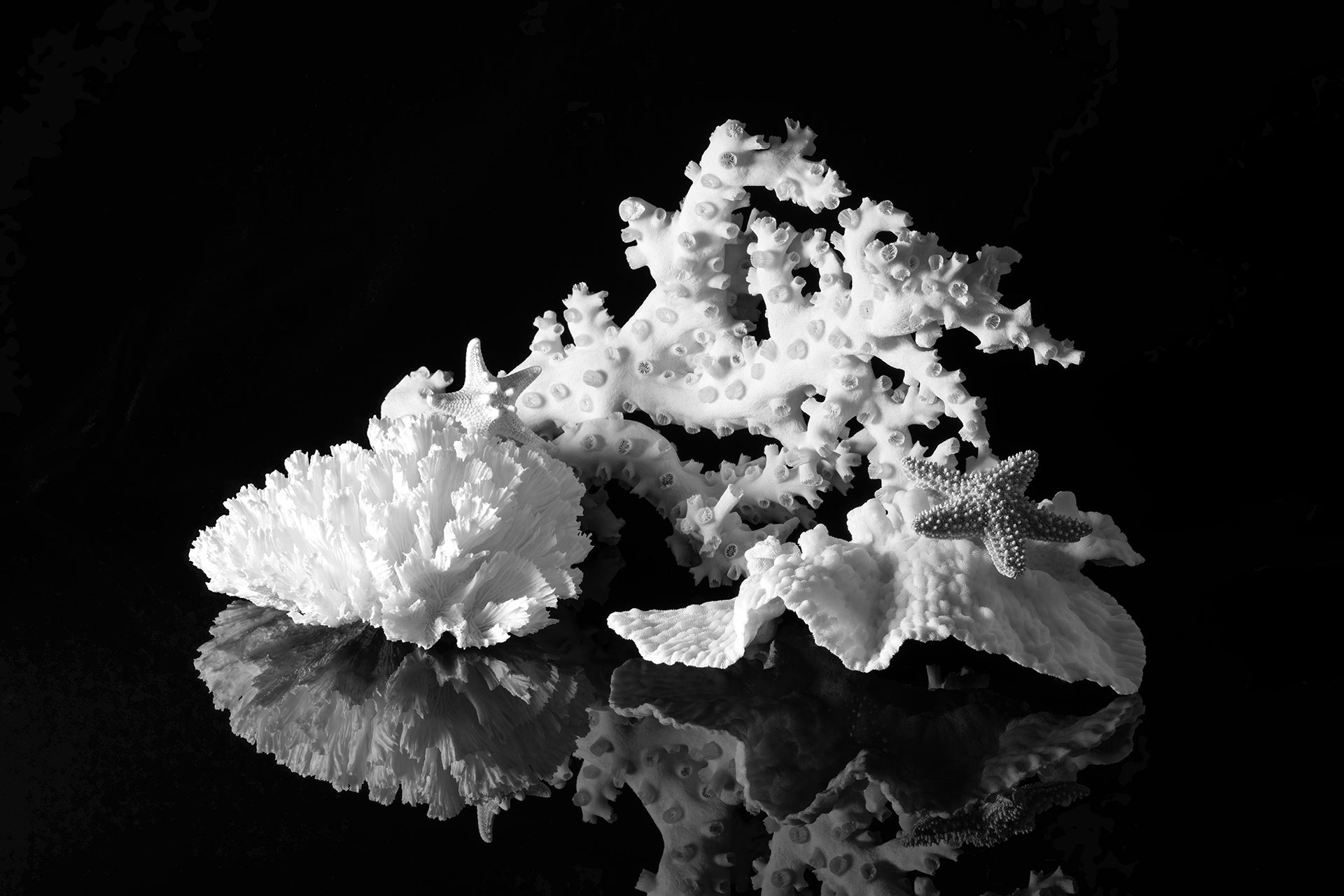
Coral embodies connection and resilience through structure.
When placed intentionally, these symbols reinforce the life themes associated with their Bagua zones.
Art Placement & Energy Flow
In Coastal Feng Shui, placement matters as much as imagery.
Scale influences presence. A large piece activates a zone strongly. A smaller piece refines it.
Height affects perception. Art placed too high disconnects from eye-level energy. Too low can feel heavy.
Light transforms meaning. Glass artwork reflects and shifts throughout the day — echoing the ocean’s own movement. This dynamic quality enhances water energy without overwhelming a space.
Spacing is equally important. Leave breathing room around focal pieces. Negative space strengthens metal energy and prevents stagnation.
Above all, choose art that feels aligned. Feng Shui is not about rigid perfection — it is about resonance.
Explore the Full Coastal Feng Shui Series
This hub is part of a deeper exploration into ocean-aligned design.
If you’d like to continue:
- The Healing Power of Coastal Feng Shui
- Coastal Feng Shui for Every Room
- The Emotional Energy of Ocean Art
- The Coastal Bagua Map
- The Five Elements & Ocean Energy
- Ocean Creatures & Symbolism
- Seasonal Coastal Feng Shui
- Mini Prints & Energy Flow
- Coastal Feng Shui Art Pairings
- Coastal Feng Shui & Science
Each chapter builds on this foundation, helping you refine your home with clarity and intention.
Creating a Sanctuary with Intention
Coastal Feng Shui is not about decorating with shells.
It is about understanding how space influences emotion — how movement influences thought — and how light influences calm.
When ocean-inspired art is placed with awareness, a home begins to feel less arranged and more aligned.
Less styled.
More settled.
The sea does not rush — and neither should your space.
Frequently Asked Questions
What is Coastal Feng Shui?
Coastal Feng Shui blends traditional Feng Shui principles with ocean-inspired design elements to create balanced, calming living spaces.
Do I need to follow strict Feng Shui rules?
No. Coastal Feng Shui emphasizes intention and flow rather than rigid doctrine.
Where should I place ocean art in my home?
Placement depends on the Bagua zone you want to activate, but entryways, living rooms, and offices are common starting points.
Does glass artwork change Feng Shui energy?
Yes. Glass reflects light and movement, subtly enhancing water energy and clarity within a space.
Bringing Coastal Feng Shui Into Your Home
Coastal Feng Shui is not about rigid rules — it’s about understanding how imagery, light, and placement influence the emotional rhythm of a space.
Coastal Feng Shui adapts traditional Feng Shui principles to coastal environments by using ocean-inspired colors, natural textures, marine symbolism, and intentional art placement to guide the flow of energy through a home. By interpreting classic Feng Shui concepts through the rhythm of tide, shoreline landscapes, and coastal wildlife, this approach creates spaces that feel calm, balanced, and deeply connected to the sea.
When art reflects the natural balance of the ocean — movement, stillness, structure, and flow — it quietly shapes the energy of the rooms we live in.
Whether you are activating a Bagua zone, refining a workspace, or simply creating a calmer atmosphere, intentional coastal imagery can help your home feel aligned rather than arranged.
Explore coastal glass art inspired by the rhythm of the sea and discover pieces designed to bring balance, light, and quiet movement into your space.