

Sunken Gardens Florida: Joy, Color, and the Beauty of Wandering
|
|
Time to read 5 min
Cart
Your cart is empty
|
|
Time to read 5 min
“Color is one of my greatest muses. Texture is how I listen. Sunken Gardens felt like both — layered, alive, and quietly joyful.”
Tucked into St. Petersburg, Florida, Sunken Gardens is a place that asks you to slow down — not because it is quiet, but because there is so much to take in once you start looking closely.
It’s a slow walk through color, texture, and quiet moments most people pass without noticing.
If you’ve ever felt rushed through beautiful places, this one asks you to linger.
Sunken Gardens is a place that asks you to slow down — not because it is quiet, but because there is so much to take in once you start looking closely.
Through saturated color, layered texture, and winding paths, this historic garden invites wandering rather than rushing. It’s a reminder that joy doesn’t need to be loud, and beauty doesn’t need to hurry.
It’s hard to imagine that just steps from traffic and city noise, Sunken Gardens opens into something entirely different.
The air feels softer here.
The colors feel fuller.
And the paths invite you to wander without destination.
What began over a century ago as a 15-foot-deep sinkhole — once roamed by wild hogs — has become one of Florida’s oldest living roadside attractions. Founded by George Turner Sr. in 1911 and opened to the public in the 1930s, the gardens were shaped by patience, vision, and curiosity.
That history matters — but what struck me most wasn’t the timeline.
It was how alive everything felt.
For current visitor information, hours, and the garden’s history, visit the official Sunken Gardens website.
Before I started photographing details, I let myself simply walk.
Sunken Gardens is best experienced slowly — paths unfolding one turn at a time.
A hidden botanical oasis tucked 15 feet below the streets of St. Petersburg
A place of color, texture, and slow discovery rather than spectacle
An unexpected source of artistic inspiration — from cactus spines to fossilized limestone
A reminder that beauty often reveals itself when we wander without rushing
Sunken Gardens isn’t a place you rush through.
It’s a place where color stops you mid-step.
Bougainvillea spills overhead in saturated pinks and reds.
Palm fronds overlap like brushstrokes.
Light filters through leaves, revealing veins, edges, and shadows you wouldn’t notice if you were moving too fast.
I found myself drawn to the smallest details:
The sculptural curve of bromeliads
Air plants clinging quietly to branches
The soft repetition of bamboo, etched with years of passing hands
Cactus textures — sharp, geometric, unexpectedly elegant
A piece of fossilized limestone, once buried deep in the sinkhole, now resting in open air
Texture leads the way here.
And texture is where my eye always returns.
I didn’t come to Sunken Gardens looking for a finished photograph.
I came to wander.
Some places ask to be documented.
Others ask you to slow down first.
This was the latter.
Every turn offered something new — a shift in color, a change in scale, an unexpected quiet moment. Even the faded blooms carried beauty, softened by time rather than diminished by it.
This is how inspiration often works for me:
Not in grand reveals, but in layers.
That unusual beginning still shapes the garden today. Paths descend through layers of tropical growth, waterfalls, and dense foliage, creating the sense that the city has disappeared above you. Over time, it became home to more than 50,000 tropical plants, waterfalls, winding paths, and yes — even flamingos, who appear unexpectedly among the greenery.
It’s a reminder that beauty doesn’t always start polished.
Sometimes it begins as a collapse — and becomes something extraordinary through care.
One of the most grounding moments for me was discovering a piece of fossilized limestone pulled from the original sinkhole.
Marked by time and erosion, it felt less like an object and more like a witness.
Sitting there, I was reminded that inspiration doesn’t only bloom — sometimes it’s carved.


As I wandered the paths, I found myself drawn to the small things — the details most people pass without noticing.
I photographed textures that stopped me in my tracks:
Cactus spines catching the light, sharp yet delicate
Rainbow eucalyptus bark, peeling in painterly layers
Variegated leaves glowing from behind, alive with contrast
Fossilized limestone, marked by time and history
These quiet discoveries are often where my favorite ideas begin.
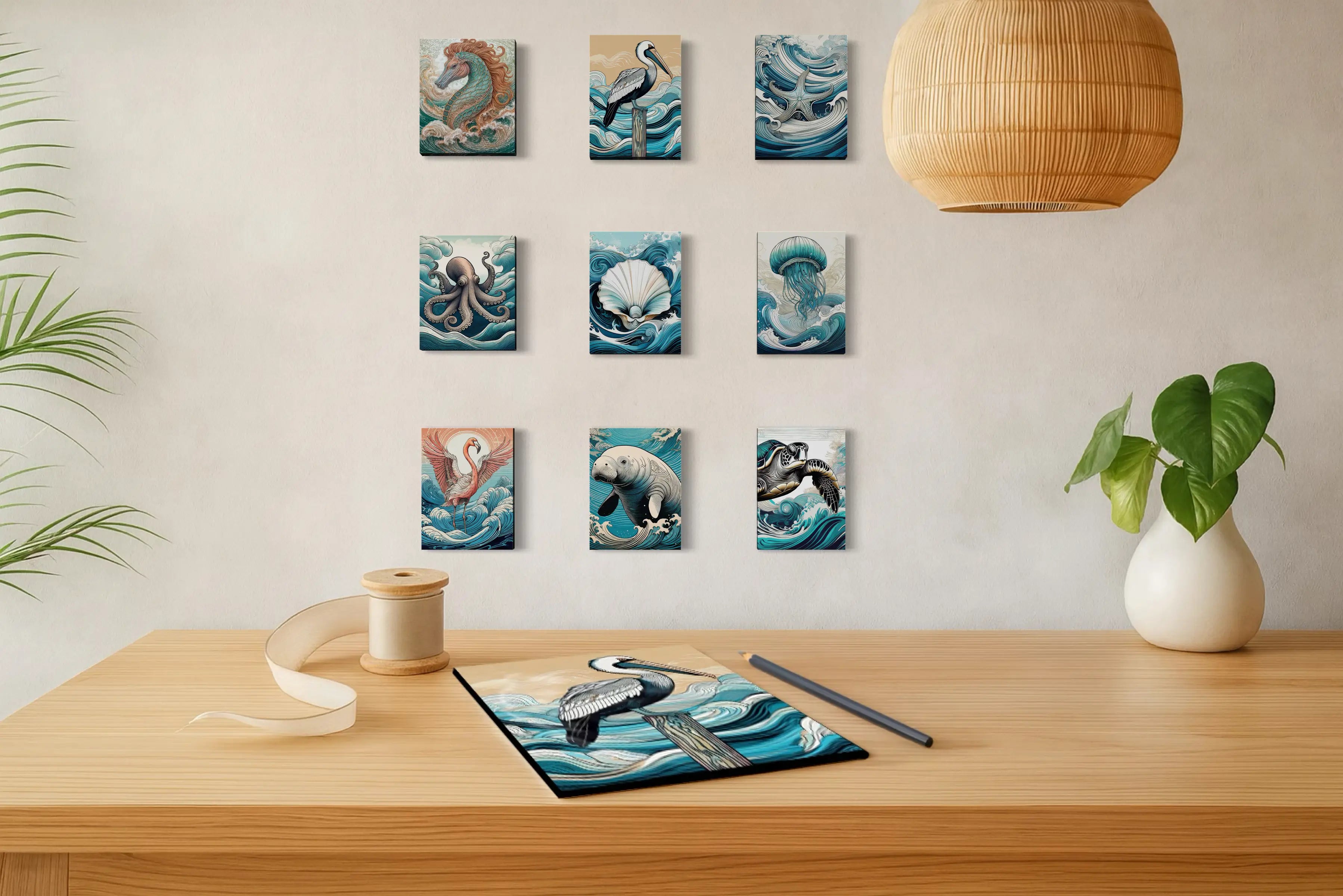
Some of these moments may eventually become luminous glass prints — transformed through light, reflection, and scale.
I’d love your input.
Which textures would you want to see brought to life in glass?
Botanical close-ups
Garden textures
Stone and natural patterns
Sunken Gardens Florida reminded me that joy doesn’t need to shout.
It can bloom quietly.
It can live in texture.
It can wait patiently for those willing to notice.
That feeling — layered, colorful, gently alive — is something I carry back into my work every time.
Yes — especially if you enjoy slow, immersive experiences. Sunken Gardens isn’t about grand spectacles; it’s about wandering paths, layered greenery, and details that reward patience.
Plan at least 1–2 hours. The gardens are best enjoyed without rushing, allowing time to notice textures, color shifts, and hidden corners.
Its setting. Built inside a 15-foot-deep sinkhole, Sunken Gardens feels sheltered from the city above. The elevation change, winding paths, and dense plant life create a sense of quiet discovery.
Absolutely. The garden is rich with texture — cactus spines, peeling bark, layered leaves, stone, and filtered light — making it especially inspiring for photographers, painters, and designers.
Morning and late afternoon offer softer light and fewer crowds. These times highlight leaf veins, shadows, and color saturation.
Not every photograph from Sunken Gardens becomes a finished print —but the inspiration lives on.
These pieces are drawn from the same love of color, texture, and quiet discovery — art that reflects light the way leaves glow from behind, stone holds time, and petals soften as they fade.
Inspired by color, texture, and the joy of wandering, these glass prints are designed to bring calm and curiosity into your space.
About the Artist
Lisa Reid, founder of Echoes of the Sea LLC, creates luminous glass art inspired by nature, texture, and the quiet rhythms of the coast. Her work begins with original photography or painting and becomes modern coastal art designed to glow with light and feeling.


