
Beautiful words for the sea, stillness, light, memory, place, and the feelings nature can be difficult to name.
Some experiences arrive before we have words for them: sunlight moving across water, the hush that falls when the wind disappears, the scent of salt in the air, the sudden memory awakened by a shell, or the feeling that one particular stretch of coast has somehow become part of us.
The Language of Calm is an evolving collection of words and expressions from different languages, cultures, and traditions that give names to those moments.
But the word is only the doorway.
At Echoes of the Sea, each one leads back to something I photograph, notice, remember, or try to bring home through art—light, water, shells, changing tides, natural sound, open space, fleeting moments, and our emotional connection to place.
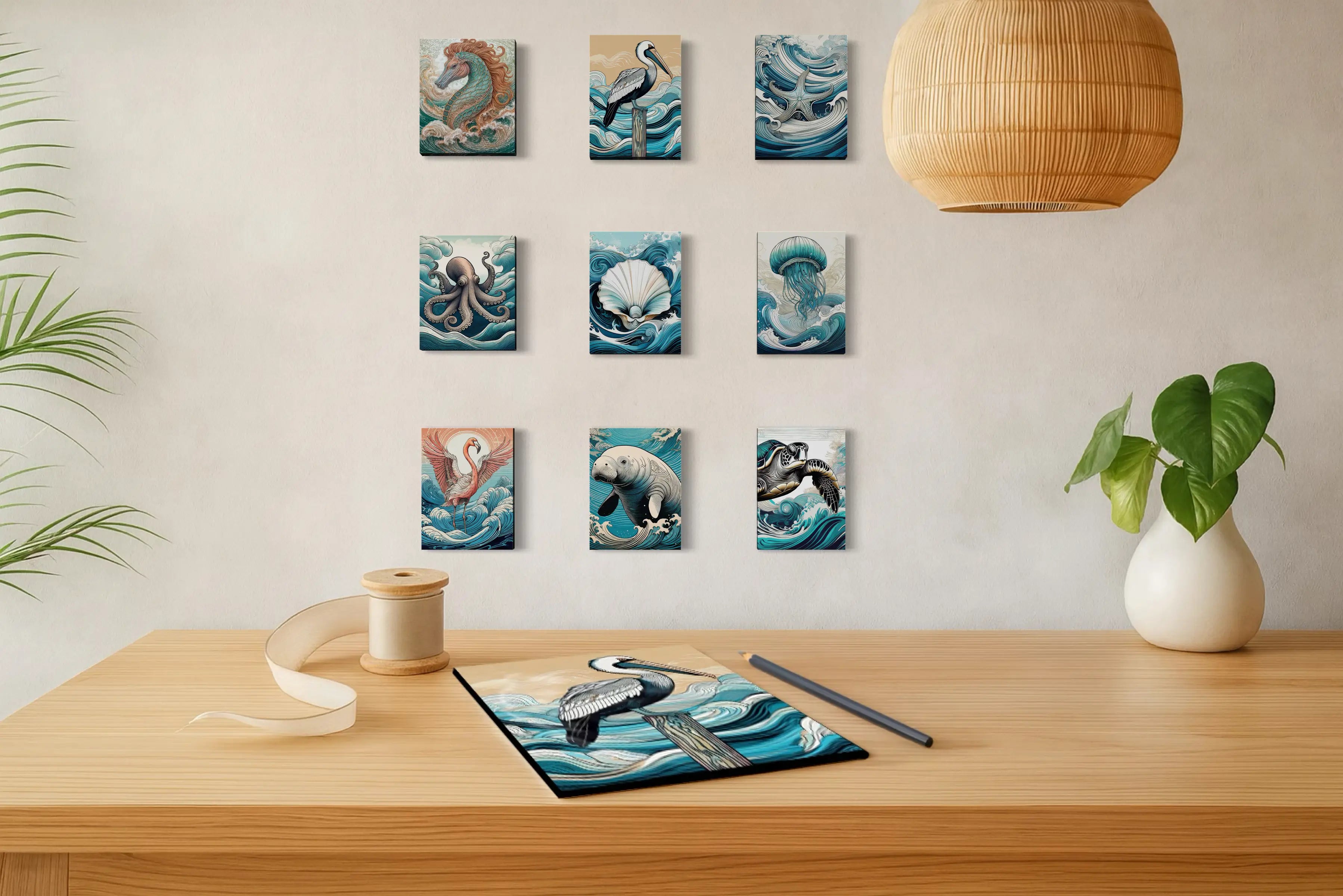
My coastal glass wall art grows from much the same idea: preserving not only what the coast looks like, but something of how it feels to be there.
Words of Sea, Shore & Atmosphere
The sea is more than water. It is light, salt air, spray, wind, reflection, weather, sound, and the changing atmosphere that tells us where we are before we ever put a name to it.
Conchophile
Greek-derived · KONK-uh-file
A person who loves, collects, or is fascinated by shells.
For those of us who have never met a shell we could simply walk past.
Read the full Conchophile story
Yunseul · 윤슬
Korean · yoon-seul
Light, often sunlight or moonlight, sparkling across small ripples on water.
When light dances across the water and makes us stop to watch.
Maresia
Portuguese · mah-reh-ZEE-ah
The characteristic salty air, scent, and atmosphere of the sea.
That unmistakable breath of sea air that tells us the coast is near.
Nagi · 凪
Japanese · NAH-gee
A lull or calm in the wind, particularly when the sea becomes still.
When the wind drops, the surface settles, and even the sea seems to exhale.
Fèath
Scottish Gaelic · approx. FAY-uh
Calm or tranquility, particularly calm weather.
That weather-softened stillness when even the coast seems to pause.
Marulho
Portuguese · approx. mah-ROO-lyoo
The movement and murmuring sound of sea waves.
The soft rhythm of the waves arriving, retreating, and returning again.
Spoondrift
English · SPOON-drift
A rare variant of spindrift: sea spray blown from the crests of waves by strong wind.
When the ocean rises into the wind and becomes air.
Kuunsilta
Finnish · approx. KOO-un-sil-tah
Literally “moon bridge,” the path of moonlight reflected across water.
The silver bridge moonlight seems to lay across the water.
Mizukagami · 水鏡
Japanese · mee-zoo-kah-gah-mee
“Water mirror”: clear or still water reflecting the world above it.
When still water becomes a mirror for the sky.
Komorebi · 木漏れ日
Japanese · koh-moh-reh-bee
Sunlight filtering through leaves.
Sunlight filtering through live oaks, palms, and maritime leaves along the coast.
Hūlali
Hawaiian · approx. hoo-LAH-lee
Associated with shining, sparkling, glittering, glossiness, or reflected light.
That irresistible sparkle of reflected light that makes the water come alive.

Words of Stillness, Sound & Space
Calm does not always mean silence. It can be a whisper beneath the louder sounds, room to breathe, an uncluttered horizon, or the feeling that nothing needs our attention quite yet.
Seijaku · 静寂
Japanese · SAY-jah-koo
Stillness, tranquility, and quiet.
The profound stillness we sometimes find where water, sky, and silence meet.
Susurrus
Latin-derived English · soo-SUR-us
A soft whispering, murmuring, or rustling sound.
The whispering language of waves, wind, and sea oats.
Yutori · ゆとり
Japanese · yoo-toh-ree
Margin, leeway, spaciousness, or having enough room in time and life.
Where coast, water, and sky stretch wide—and somehow, you do too.
Yohaku · 余白
Japanese · yoh-hah-koo
Blank, open, or unfilled space; margin.
The quiet space around a shell, a heron, a horizon—the part that lets the beauty breathe.
Kanso · 簡素
Japanese · kahn-soh
An aesthetic principle of simplicity, restraint, and freedom from unnecessary ornament.
The quiet beauty that appears when we leave the unnecessary behind.
Igokochi · 居心地
Japanese · ee-goh-koh-chee
The feeling of comfort, ease, or pleasantness experienced in a particular place.
That rare feeling when a room welcomes you so completely, you stop thinking about leaving.
Ataraxia
Ancient Greek · at-uh-RAK-see-uh
Freedom from disturbance or agitation; tranquility or steadiness of mind.
The kind of quiet we sometimes find by the sea.
Quiescence
Latin-derived English · kwy-ESS-ens
A state of quiet, rest, or inactivity.
The pause between movements, when water settles and the whole landscape seems to soften.
Ma · 間
Japanese · mah
An interval, gap, pause, or meaningful space between things.
The pause between things that gives a photograph, a room, or even a wave its rhythm.
Shizen · 自然
Japanese · shee-zen
Nature or naturalness; a quality that feels natural and unforced.
When a coastal space feels naturally beautiful rather than deliberately decorated.
Psithurism
English, from Greek roots · SITH-yuh-riz-um
The soft whispering or rustling sound of leaves moved by wind.
The soft rustle of sea oats, palms, and coastal leaves moving in the breeze.

Words of Time, Change & Memory
The coast makes change impossible to ignore. Tides move, light shifts, shorelines change, seasons return differently, and even the most beautiful moment is already passing while we are watching it.
Kairos
Ancient Greek · KAI-ross
The right, fitting, meaningful, or opportune moment.
The fleeting moment when tide, light, wing, and chance suddenly become the photograph.
Nagori · 名残
Japanese · nah-GOH-ree
A lingering trace or feeling that remains after something has passed.
What the tide leaves behind—and what stays with us after we have gone.
Natsukashii · 懐かしい
Japanese · naht-soo-kah-SHEE
The warm, fond feeling awakened when something recalls a pleasant memory from the past.
When something as simple as a shell brings a favorite memory rushing back.
Mono no Aware · 物の哀れ
Japanese · moh-noh noh ah-WAH-reh
An awareness of impermanence and the poignant beauty of things because they pass.
The tenderness of knowing this wave, this light, this moment will not return.
Panta Rhei · πάντα ῥεῖ
Ancient Greek · PAN-tah RAY
“Everything flows”; the idea that all things are continually changing.
The sea’s quiet reminder that everything is always moving.
Shiodoki · 潮時
Japanese · shee-oh-doh-kee
The appropriate or opportune time, historically connected with the state or timing of the tide.
That moment when tide and light finally say: now.
Fūbutsushi · 風物詩
Japanese · foo-boo-tsoo-shee
Characteristic sights, sounds, customs, or phenomena that evoke a particular season.
The small sights and sounds that tell us a new season has reached the coast.
Inoubliable
French · approx. ee-noo-blee-AH-bl
Unforgettable.
Those rare moments by the water we know, even as they happen, we will never forget.
Ichigo Ichie · 一期一会
Japanese · ee-chee-goh ee-chee-eh
Often rendered “one time, one meeting”: an invitation to value an encounter because that exact moment will not occur again.
This tide. This light. This moment. Nature will never arrange them quite this way again.
Mujō · 無常
Japanese · moo-JOH
Impermanence; the understanding that things do not remain unchanged.
The coast reminds us that nothing stays exactly as it is.
Kuon · 久遠
Japanese · koo-ohn
Eternity, perpetuity, or immeasurably long time, with Buddhist usage and context.
The sense of eternity we sometimes feel beside a sea that never stops changing.
Saudade
Portuguese · approx. sow-DAH-deh
A deep longing or yearning for someone, somewhere, or something absent.
The particular ache of missing the sea when we are far from it.

Words of Wonder, Place & Connection
Some landscapes become more than scenery. Some natural forms continue to astonish us no matter how often we see them. These words speak to wonder, belonging, creativity, and the places that become part of who we are.
Thalassophile
Greek-derived modern term · thuh-LASS-uh-file
A person who loves or feels deeply drawn to the sea.
For those who have always felt a little more at home beside the sea.
Read the full Thalassophile story
Topophilia
Greek-derived term · toh-poh-FIL-ee-uh
A strong emotional attachment to a place or environment.
When a particular stretch of coast becomes part of who we are.
Querencia
Spanish · keh-REN-see-ah
A place where one feels secure, at home, or instinctively drawn to return.
The place by the water we return to because it feels like home.
Yūgen · 幽玄
Japanese · YOO-gen
A subtle, profound, or mysterious beauty that cannot be fully expressed directly.
The mysterious beauty of the sea we can feel more easily than explain.
Émerveillement
French · approx. ay-mair-vay-MON
Wonder, amazement, or delighted marvel.
When a Gulf sunrise takes our breath away, a heron lifts from the marsh, or a sea turtle returns to nest—and all we can do is marvel.
Shoshin · 初心
Japanese · sho-shin
“Beginner’s mind”: approaching something with openness, curiosity, and fewer assumptions.
Seeing the familiar shoreline as though you have never seen it before.
Haecceitas
Medieval Latin · approx. hek-SEE-ih-tas
“Thisness”: the particular quality that makes an individual thing precisely itself.
The particular beauty that makes this shell, this shoreline, this moment unlike any other.
Locus Amoenus
Latin literary tradition · approx. LOH-kus uh-MEE-nus
A pleasant or delightful place, traditionally an idealized beautiful natural setting.
That beautiful stretch of coast where something in us whispers, stay.
Numinous
Latin-derived English · NOO-muh-nus
Inspiring profound awe, mystery, reverence, or a sense of presence beyond ordinary experience.
When the sea feels larger than anything we could put into words.
Meraki · μεράκι
Modern Greek · meh-RAH-kee
Commonly used for doing or creating something with care, love, soul, or part of oneself.
The part of ourselves we leave in the things we create.
Sielunmaisema
Finnish · approx. SEE-eh-loon-MY-seh-mah
Often rendered “landscape of the soul”: a landscape with deep personal or inner significance.
When a shoreline feels less like scenery and more like part of your inner world.
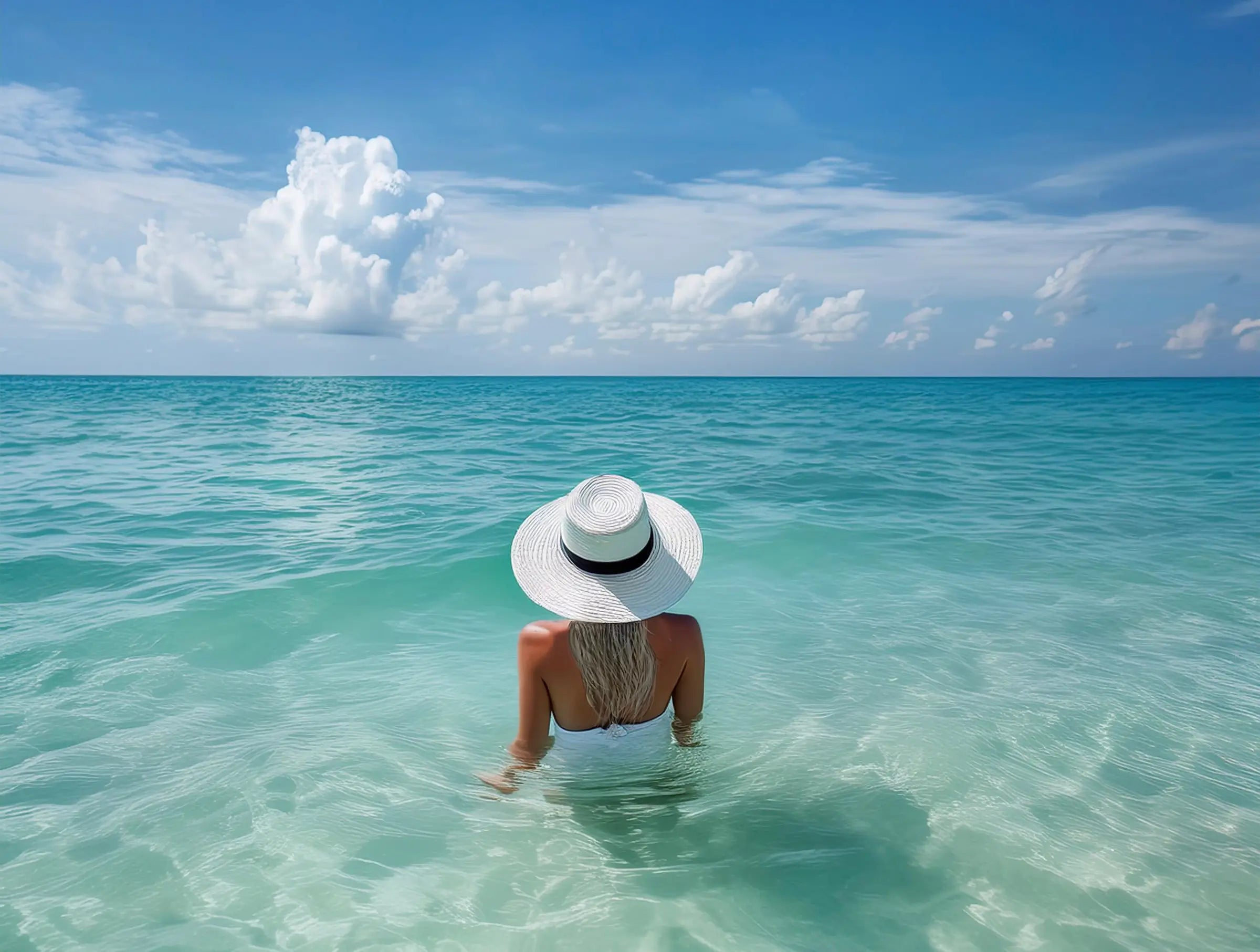
From Words to Images
The words collected here often describe the same qualities I look for through the camera: changing light, reflected water, repeating natural forms, quiet space, movement, texture, and the details that make one place or moment unlike any other.
That is part of the philosophy behind Echoes of the Sea. Coastal art can be more than an image of the ocean, a shell, or a shoreline. It can become a reminder of how those places make us feel.
Continue Exploring The Language of Calm
Thalassophile — the pull of the sea
Conchophile — why some of us cannot stop collecting shells
Seijaku — stillness and quiet
Susurrus — the softer sounds of nature
The Language of Calm will continue to grow as new words, meanings, and moments find their way here.