

Treasures of the Tide - The Ultimate Sand Dollar Guide
|
|
Time to read 6 min
Cart
Your cart is empty
|
|
Time to read 6 min
Discover the fascinating world of sand dollars — nature’s delicate treasures of the tide. The ultimate sand dollar guide will help you identify different sand dollar species, tell live ones from dead, clean and preserve your finds naturally, and even explore the Legend of the Sand Dollar. Perfect for beachcombers, collectors, and coastal home decor lovers, this is your go-to resource for appreciating one of the ocean’s most enchanting gifts.
A sand dollar is a flat, burrowing sea urchin belonging to the order Clypeasteroida. Found in shallow ocean waters worldwide, these marine creatures are relatives of sea urchins, starfish, and sea cucumbers. While living sand dollars are covered in tiny purple or brown spines, the white shells we find washed up on beaches are their sun-bleached skeletons — known as “tests.”
When you pick up a sand dollar, you’re holding a natural sculpture of calcium carbonate — nature’s artwork formed by the sea.
Sand dollars come in many varieties depending on where you beachcomb. Common species include the Keyhole Sand Dollar from Florida’s Gulf Coast, the Pacific Sand Dollar from the U.S. West Coast, and the Sea Biscuit, a thicker, puffier relative found in tropical waters.
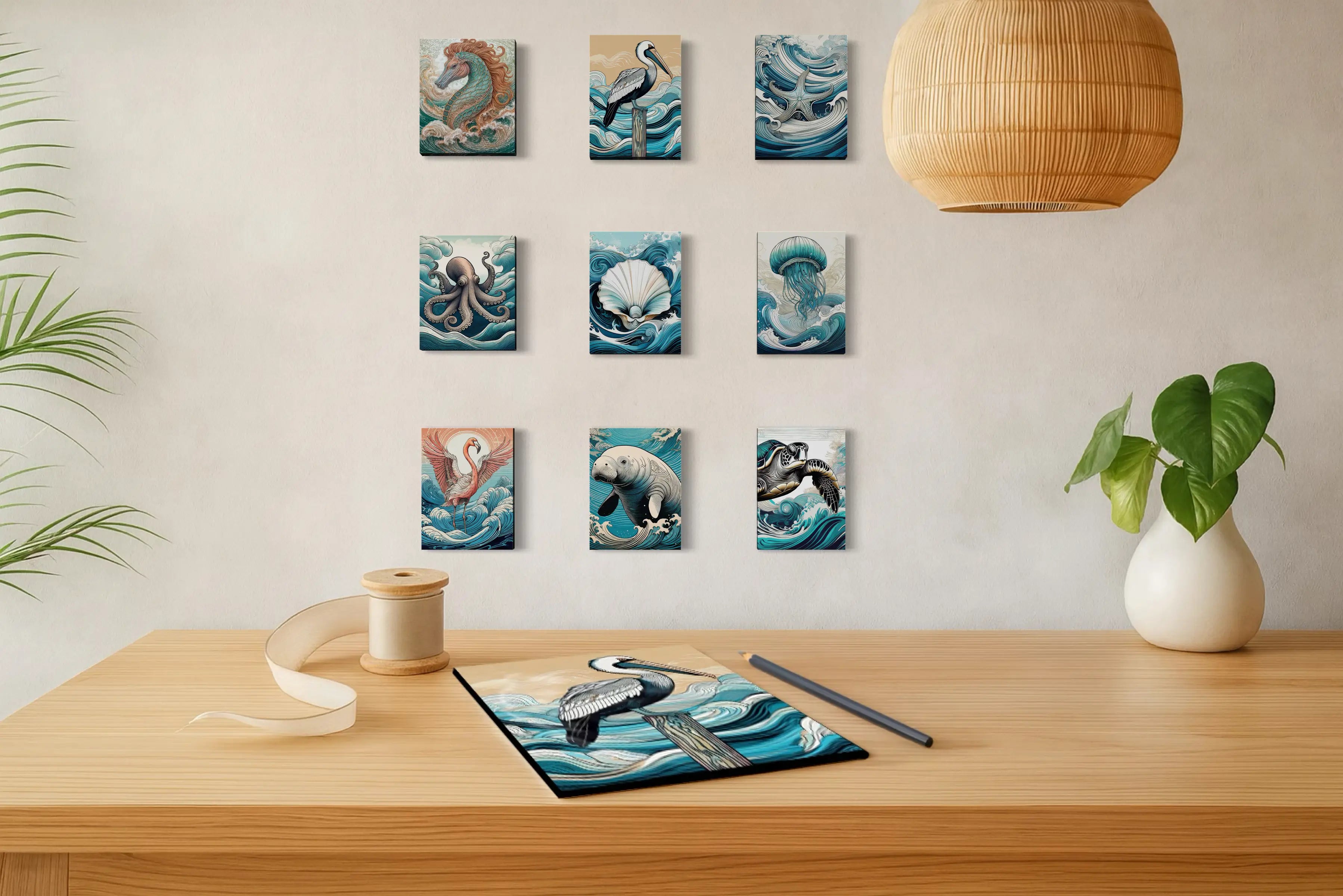
Bring the quiet beauty of sand dollars, sea biscuits, and coral into your home with our Echoes of the Sea Coastal Glass Prints.
Each piece captures the natural elegance of ocean life and the soothing calm of the tide.
When beachcombing, it’s important to know whether a sand dollar is still alive before taking it home. Living sand dollars are part of the coastal ecosystem and should be left where they are or gently returned to the water.
If you’re unsure, look for these signs:
If it still has moving spines or living tissue, leave it at the shoreline or gently return it to the water.
Once you’ve collected your sun-bleached treasures, a little care will help you bring out their delicate details and preserve them for years to come. Cleaning sand dollars requires patience and a gentle touch — harsh chemicals can cause damage, so natural methods work best.
1. Soak in Fresh Water:
Place your sand dollars in a bucket of fresh water for one to two days, changing the water every few hours until it runs clear. This removes sand, salt, and organic material, helping prevent odors or discoloration.
2. Clean Gently:
After soaking, use a soft-bristle toothbrush or small paintbrush to remove any remaining debris. Handle carefully — sand dollars are fragile and can easily break.
If an empty sand dollar test still has discoloration after soaking and rinsing, a short soak in standard household hydrogen peroxide can help lighten remaining organic stains. Check it frequently rather than leaving it unattended for a long period, since sand dollar tests are naturally fragile.
Rinse thoroughly afterward and allow it to air-dry completely. Avoid repeated or prolonged chemical soaking, which can make a delicate test more brittle.
Hydrogen Peroxide is gentler than bleach
4. Rinse and Air Dry:
Rinse thoroughly and lay on a towel in a warm, dry area for a full day.
5. Strengthen with a Diluted Glue Solution:
Because sand dollars are so delicate, protect them with a light coat of sealant. Mix equal parts white glue and water, then brush gently across both sides with a soft brush. Once dry, it forms an invisible layer that strengthens the surface while maintaining its natural matte finish.
6. Display or Store:
After they’re dry and sealed, display your sand dollars in jars, frames, or bowls — or pair them with Echoes of the Sea Coastal Glass Prints to bring the serenity of the ocean into your home.
These sand dollar facts reveal how extraordinary these ocean treasures truly are:
Sand dollars are actually flattened relatives of sea urchins — not shells at all.
The flower-like pattern on top of a sand dollar helps it breathe.
This familiar flower or star pattern on a sand dollar follows the same five-part symmetry seen in many of its echinoderm relatives.
The five tiny “doves” inside a broken sand dollar are part of its natural inner structure — delicate pieces that inspired the traditional Legend of the Sand Dollar.
Sand dollars move using tiny spines on their undersides.
Living sand dollars can slowly bury themselves beneath the sand, using their tiny spines to move and settle into the seafloor.
Some sand dollar species can live for around a decade or longer.
Scientists can estimate a sand dollar’s age by studying the growth rings in its hard outer skeleton — almost like reading the rings of a tree.
Sand dollars often gather in remarkably dense groups on the seafloor. In some areas, as many as 625 sand dollars can live within a single square yard.
Once your sand dollars are clean and preserved, showcase them beautifully:
Arrange them in shadow boxes or coastal display frames.
Add them to a bowl of driftwood and shells for a natural centerpiece.
Mount them alongside Echoes of the Sea Coastal Glass Prints to create an elegant, seaside wall display.
Your collection tells a story — of shorelines walked, treasures found, and moments of peace by the ocean.
The Legend of the Sand Dollar
The Legend of the Sand Dollar says each one holds a message of peace, hope, and rebirth. The five-pointed star represents the Star of Bethlehem, while the five doves within symbolize peace. Whether you view it spiritually or symbolically, it’s a beautiful reminder of the ocean’s quiet wisdom and timeless rhythm.
If you’d like to explore the deeper meaning and symbolism of the sand dollar, read our guide to its associations with peace, renewal, and coastal art.
Soak in fresh water for 1–2 days, then in hydrogen peroxide for 30–45 minutes. Rinse and dry completely.
No — return live sand dollars to the ocean. Only collect dry, white ones that have already passed naturally.
Brush both sides with a diluted white glue solution (equal parts glue and water) to help protect them from chipping or crumbling.
The star, called a petalidium, helps them breathe through tiny pores. It’s one of nature’s most perfect designs.
Showcase them in shadow boxes, glass jars, or coastal displays alongside Echoes of the Sea Coastal Glass Prints for a serene, ocean-inspired look.
Keep the beauty of the tide alive long after your beach walk.
Celebrate nature’s artistry with Echoes of the Sea Coastal Glass Prints, inspired by real sand dollars and ocean treasures.
About the Author — Lisa Reid
Lisa Reid is the creative force behind Echoes of the Sea LLC, where coastal art meets soulful design. Blending her lifelong love of the ocean with a passion for meaningful décor, Lisa creates glass wall art that celebrates the calm, beauty, and resilience of coastal life. Each collection is inspired by the rhythms of the sea and designed to bring serenity, reflection, and connection into your home.
Explore more of Lisa’s work and inspiration in The Coastal Journal, where she shares insights on coastal décor styles, ocean-inspired living, and the healing power of art for the soul.
“Every wave tells a story — my art simply helps it find its way home.”


